Myofacial Release
Unlocking the Power of Myofacial Release
Myofascial Release (MFR) is a hands-on therapy that focuses on easing tension in the fascia, the connective tissue that surrounds and supports muscles, bones, and organs. From the perspective of a musculoskeletal acupuncturist, myofascial release is a key technique for treating musculoskeletal pain and dysfunction, as it addresses the fascia’s role in maintaining proper body structure and movement.
What is Facia?
- Fascia is a continuous network of connective tissue that extends throughout the body, enveloping muscles, bones, nerves, and organs. It provides structural support, maintains muscle shape, and allows for smooth movement between tissues.
- Layers of Fascia:
- Superficial Fascia: Found just beneath the skin, it helps store fat and water and allows the skin to move freely.
- Deep Fascia: Surrounds muscles, bones, nerves, and blood vessels, playing a crucial role in muscle movement and force distribution.
- Visceral Fascia: Wraps around organs, providing support and protection.
Why is Myofascial Release Important?
- Fascial Restrictions: Injury, inflammation, trauma, or poor posture can cause the fascia to become tight or adhered to surrounding tissues, leading to pain, reduced movement, and dysfunction. These restrictions can affect body alignment, movement, and overall function.
- Pain and Dysfunction: Fascial restrictions can create tension throughout the body, leading to chronic pain, muscle imbalances, and compensatory movement patterns.
How Myofacial Release Works
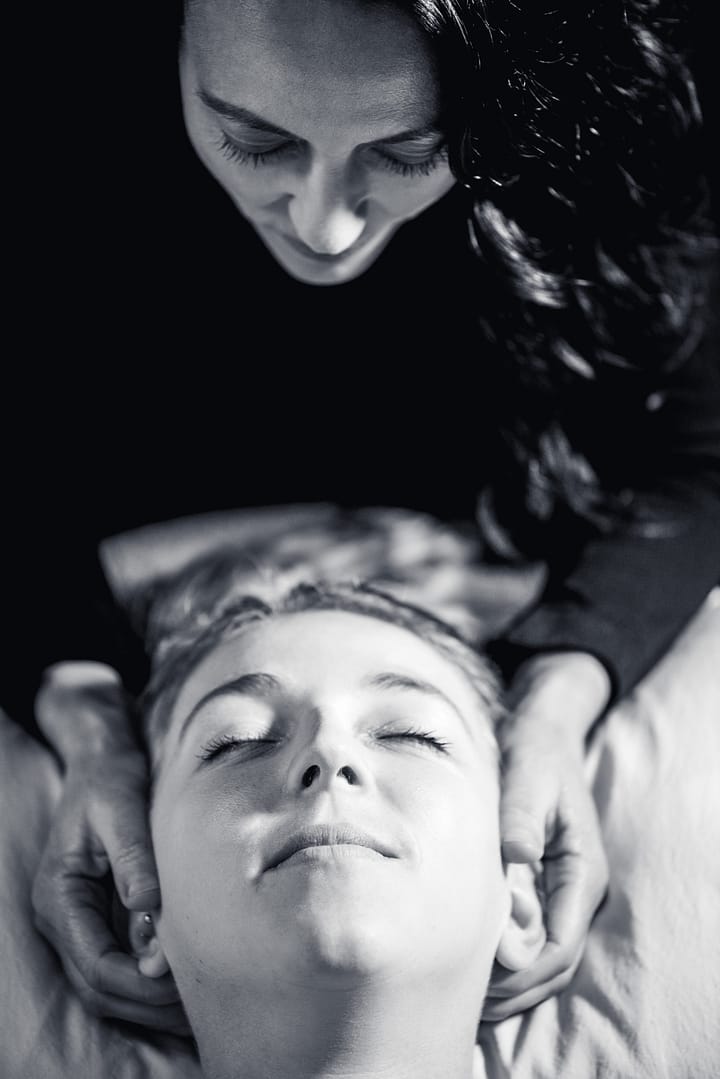
- Manual Pressure: Myofascial release involves applying sustained pressure to areas of fascial restriction. The pressure is generally gentle and applied slowly, allowing the fascia to stretch and release over time.
- Stretching and Unwinding: The therapist may also use stretching techniques to encourage the fascia to “unwind” and return to its normal, flexible state.
- Holistic Approach: MFR is often used alongside other therapies, such as acupuncture, to address not just the local area of pain but the whole body’s alignment and function.
Role of a Musculoskeletal Acupuncturist in Myofascial Release:
Musculoskeletal acupuncturists use myofascial release as part of a comprehensive treatment plan that includes acupuncture, manual therapies, and patient education. The aim is to restore normal function, reduce pain, and enhance overall well-being.
Assessment:
- Palpation: The acupuncturist will feel the body to identify areas of fascial tightness or restriction. These areas might feel stiff, knotted, or tender to the touch.
- Posture and Movement Analysis: The acupuncturist assesses the patient’s posture and movement patterns to identify compensations or imbalances caused by fascial restrictions.
Treatment Techniques:
- Direct Myofascial Release:
- Targeted Pressure: The acupuncturist applies targeted pressure to specific areas of restriction, using hands, elbows, or specialised tools to engage the fascia and encourage release.
- Stretching: The acupuncturist may also use techniques to gently stretch the fascia, helping it to lengthen and become more flexible.
- Indirect Myofascial Release:
- Gentle Manipulation: Instead of directly applying pressure, the acupuncturist may use gentle manipulation to encourage the fascia to release naturally. This approach is often used when the fascia is highly sensitive, or the patient is in significant pain.
- Integration with Acupuncture:
- Acupuncture Points and Meridians: The acupuncturist may combine myofascial release with acupuncture by targeting specific points that correspond to areas of fascial restriction. This helps to balance the flow of Qi (energy) and Blood, promoting relaxation and further release of the fascia.
- Trigger Point Release: Acupuncture needles may be used to release myofascial trigger points—tight spots within the fascia that can refer pain to other areas of the body.
- Cupping Therapy:
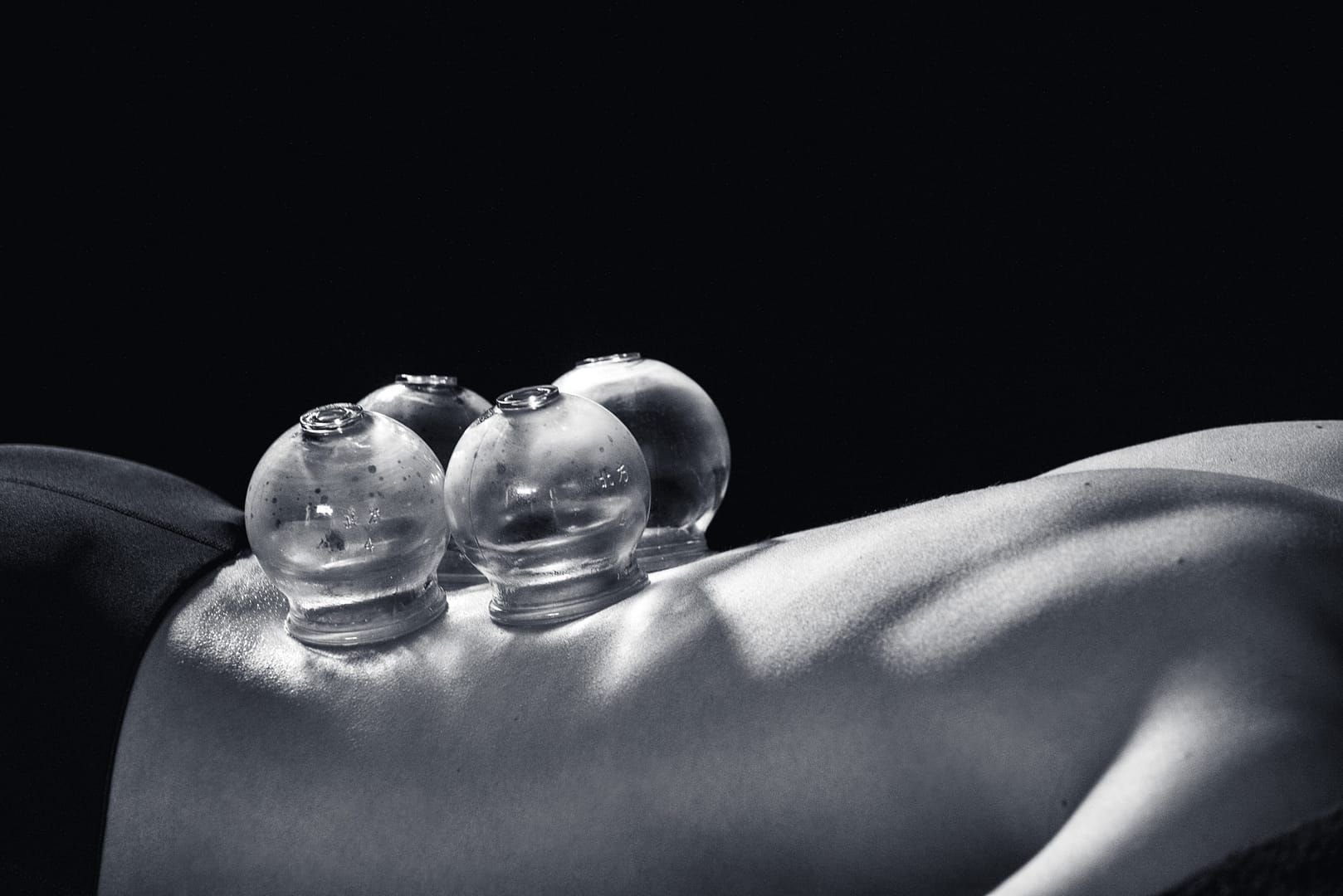
- Fascial Mobilisation: Cupping is another technique used to mobilise fascia. By creating suction on the skin, cupping helps to lift and stretch the fascia, improving circulation and reducing restrictions.
- Gua Sha:
- Scraping Technique: Gua Sha involves using a smooth-edged tool to scrape the skin, helping to release fascial adhesions, increase blood flow, and promote healing.
Conditions Treated with Myofascial Release:
- Chronic Pain:
- Myofascial release is particularly effective in treating chronic pain conditions like fibromyalgia, myofascial pain syndrome, and chronic fatigue syndrome.
- Musculoskeletal Injuries:
- It’s commonly used to treat injuries such as sprains, strains, and repetitive stress injuries, where fascial restrictions contribute to pain and dysfunction.
- Postural Imbalances:
- Myofascial release helps correct postural imbalances by addressing the underlying fascial restrictions that pull the body out of alignment.
- Headaches and Migraines:
- Tension headaches and migraines often have a fascial component, and myofascial release can help alleviate the tension that triggers these conditions.
- Sports Injuries:
- Athletes benefit from myofascial release as it helps restore mobility, reduce recovery time, and prevent future injuries by maintaining healthy fascial function.
Benefits of Myofascial Release:
- Pain Reduction: By releasing fascial restrictions, myofascial release reduces pain and discomfort associated with tight muscles and connective tissue.
- Improved Mobility: Restoring fascial flexibility improves joint range of motion and overall mobility.
- Enhanced Circulation: Releasing tight fascia improves blood flow to the affected areas, promoting healing and reducing inflammation.
- Stress Relief: Myofascial release has a calming effect on the nervous system, helping to reduce stress and tension.
- Improved Posture: By addressing fascial imbalances, myofascial release contributes to better posture and alignment.
Conclusion:
Myofascial release is a highly effective technique used by musculoskeletal acupuncturists to treat pain, dysfunction, and fascial restrictions. By combining myofascial release with acupuncture and other therapies, the acupuncturist provides a holistic approach to healing that promotes optimal health and well-being. This comprehensive method not only alleviates symptoms but also tackles the underlying causes of musculoskeletal issues, leading to lasting relief and improved quality of life.